Youth Desk in Trentino
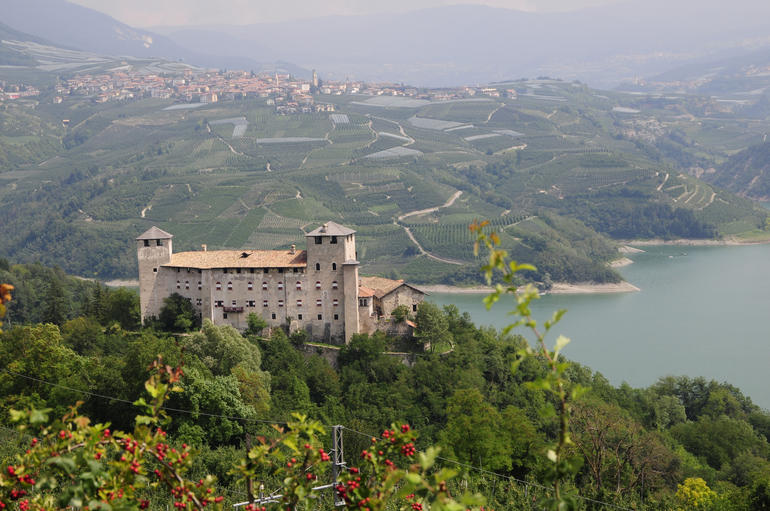
Castel Cles was built in the 12th century as a fortification to control the underlying Roman road
Communal dairy of Peio
The dairy, which uses traditional methods, is a room with 3 copper bowls, a room with tanks for the separating of cream, one for brine and the storage room.
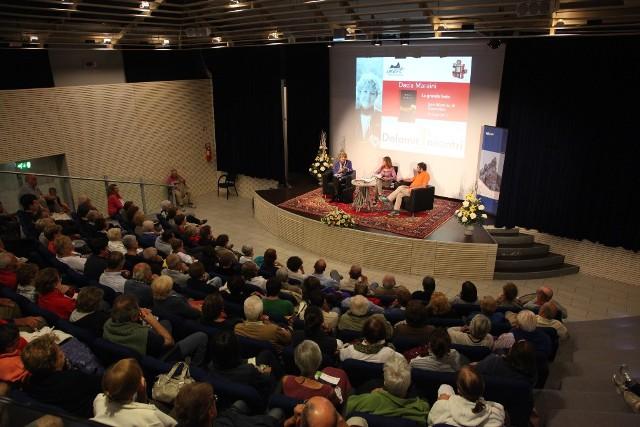
La sala congressi si trova a San Martino di Castrozza e fa parte di un palazzo storico con una vista incredibile sulle Pale di San Martino
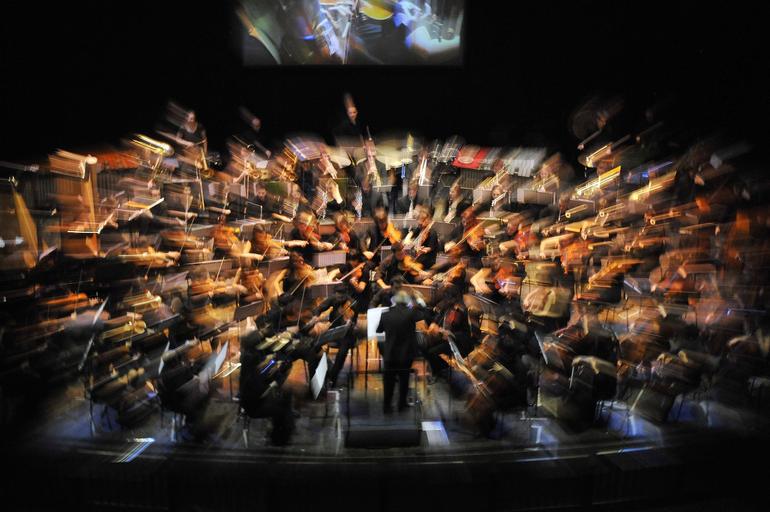
Il Conservatorio è una scuola di alta formazione musicale, pubblica e statale. La sua prima finalità è la formazione di compositori, cantanti e strumentisti anche di area jazz, popular e elettronica, e docenti di musica.
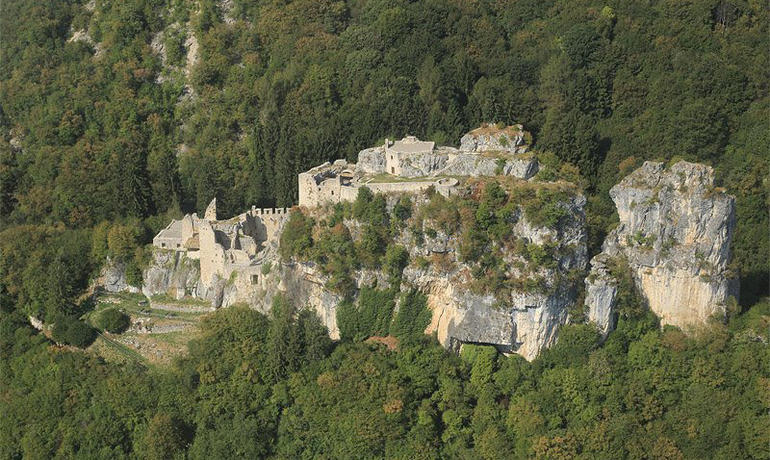
A fortress that always brought to rivalries and disputes between the local families
Covel malga (mountain dairy) - Peio
Evidence of mountain pasturing
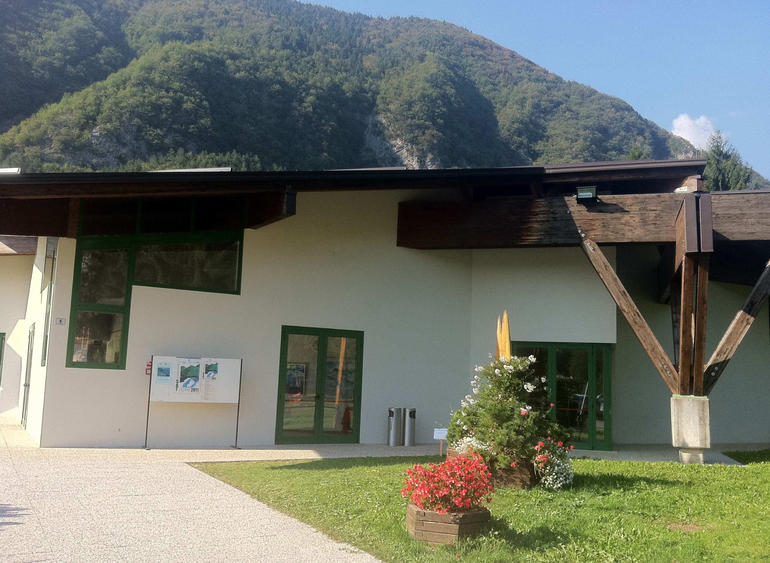
Sala multifunzionale di ampie dimensioni, utilizzata per le stagioni teatrali, cinematografiche e musicali del comune di Ledro

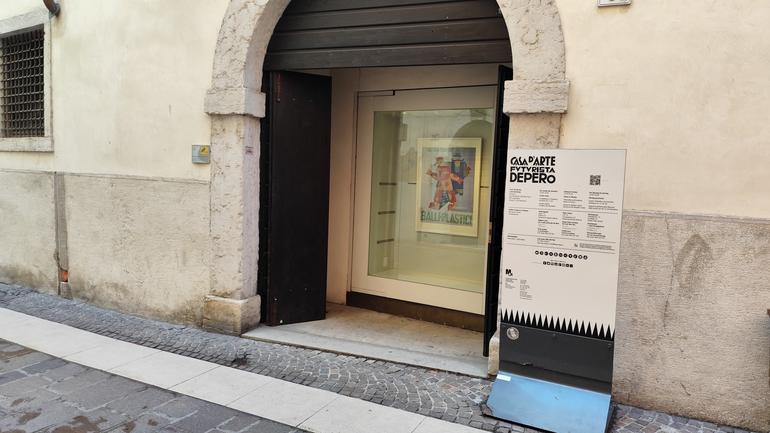
The Casa d'Arte Futurista Depero is the only museum founded by a futurist – Depero in 1957 – in accordance with an irreverent and prophetic project: innovation, irony, the knocking down of all hierarchy in the arts
Dimaro forge
Evidence of an ancient local industry of metalwork; the iron used was mainly mined in the village of Comasine located in Val di Peio.
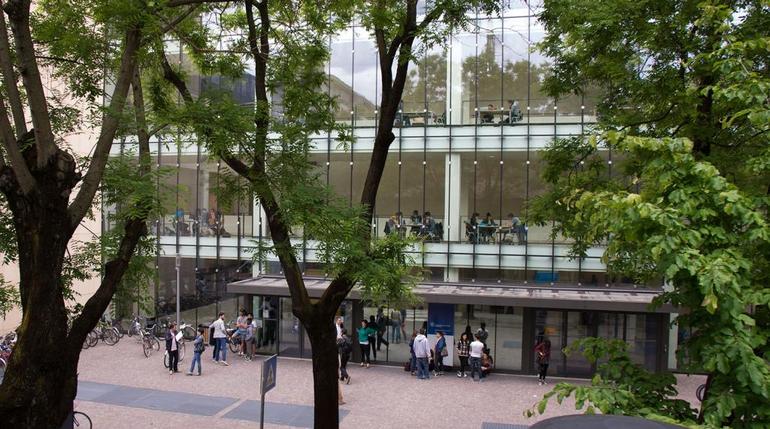
Sede della Facoltà di Lettere e Filosofia dell'Università degli Studi di Trento.
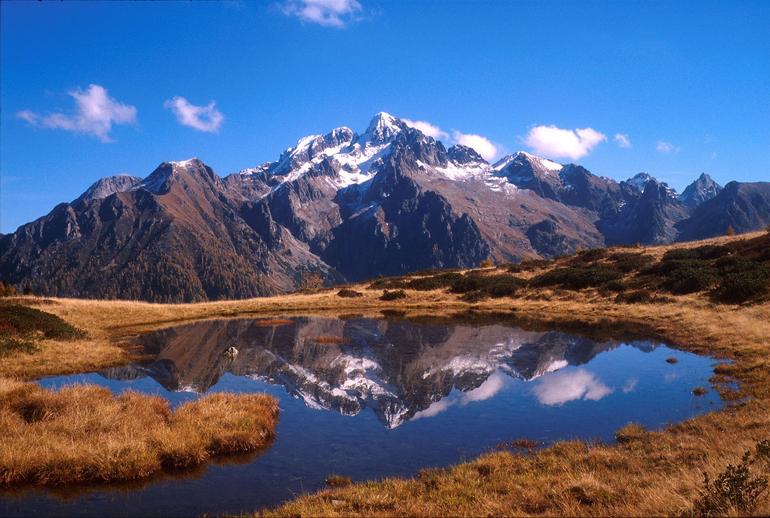
"Journeying" is the element bringing together and characterising the area, its history, inhabitants and economy

The Ecomuseum is an important outdoor museum for the valley from a cultural and historical point of view and shouldn't be missed
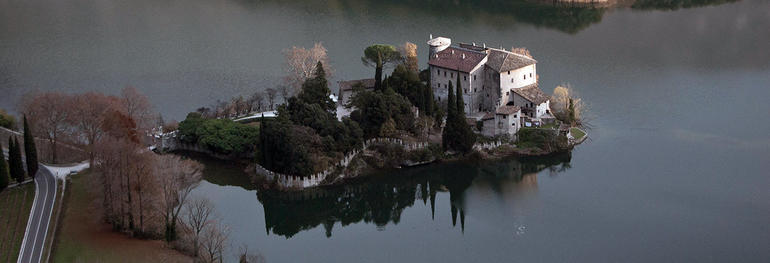
Gli itinerari avvicinano chi li percorre alla quiete del luogo e alla cultura del territorio
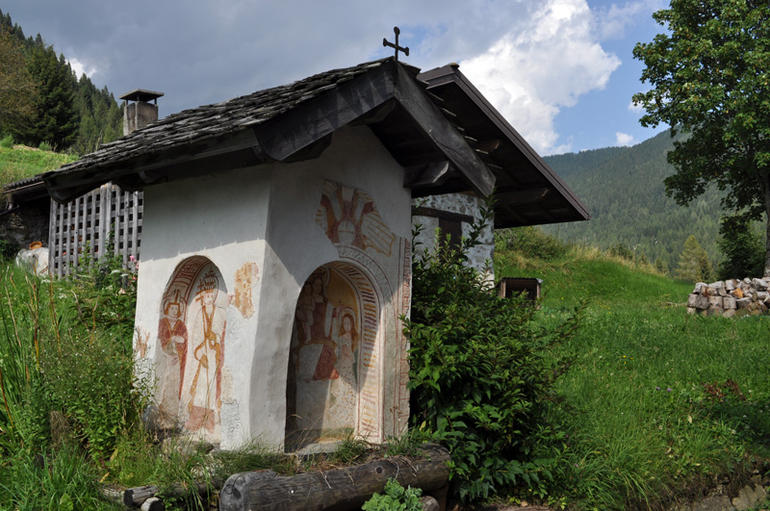
Nel Vanoi l’Ecomuseo ha organizzato i siti a partire dall’individuazione di 7 temi: l’acqua, il legno, l’erba, la pietra, il sacro, la mobilità, la guerra
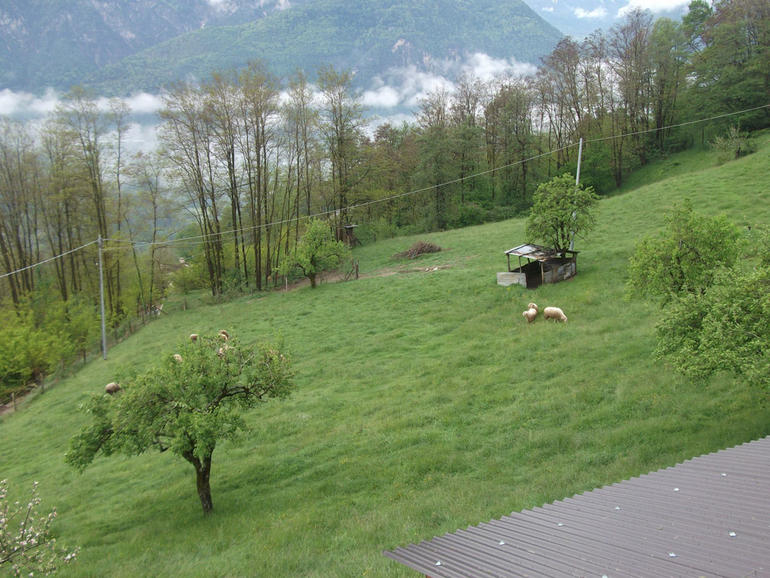
Dalle sorgenti di Rava al Brenta, comprende il territorio dei comuni di Bieno, Ivano Fracena, Ospedaletto, Samone, Scurelle, Spera, Strigno e Villa Agnedo, alle porte del Lagorai, nella Valsugana orientale
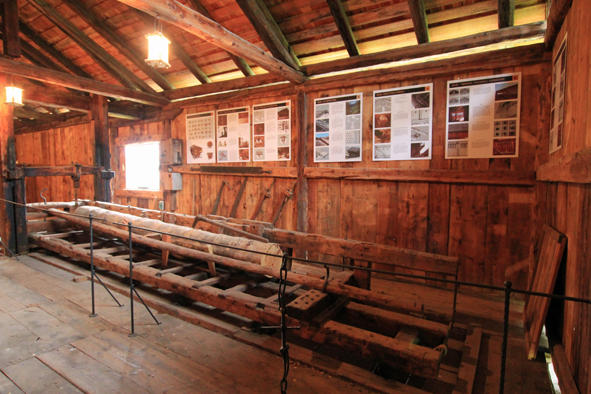
After being renovated, the old Venetian sawmill, dating back to the beginning of the 19th century, hosts now a proper museum of wood.

FBK is the top Research Institute in Italy, ranked at the 1st place for scientific excellence within 3 different subject areas and for the economic and social impact according to the latest quality of research ANVUR evaluation.
Filzer farmhouse - Fierozzo - Bersntoler museum / Valle dei Mòcheni museum
Large farmhouse that dates back to the fifteenth century and is typical of this valley where the German-speaking mòchen community dwells.
Firmian castle - Mezzocorona
Castel Firmian was built in 1480; it was the aristocratic residence of the lords of Mezzocorona and its history reflects that of the Piana Rotaliana. Its position allowed to control the traffic passing along the old road towards the Val di Non and the nearby ford across the river Noce.


A Foundation that interprets Degasperi's message in a contemporary way
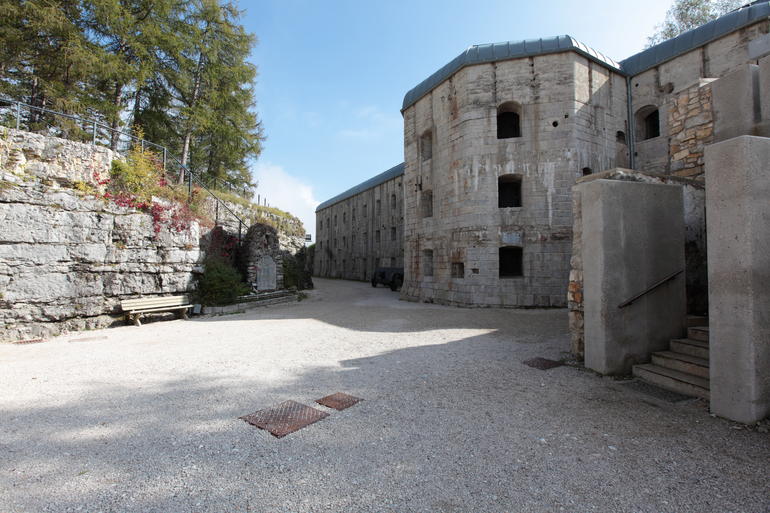
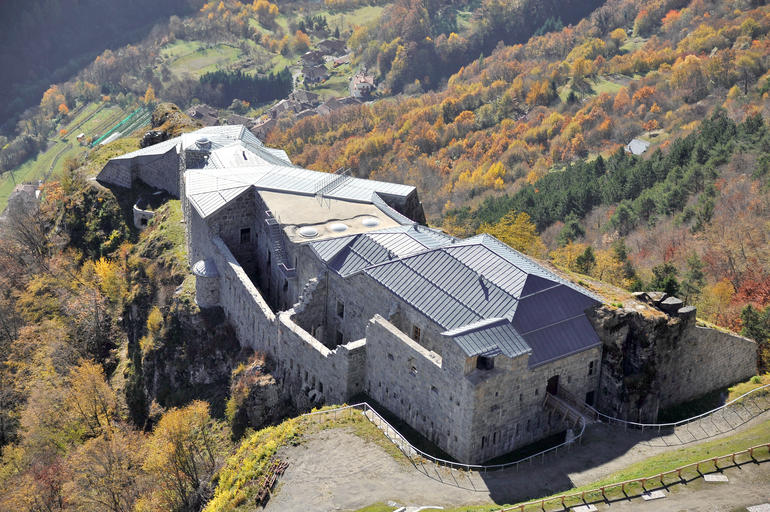
Built between 1909 and 1912, Fort Belvedere functioned in conjunction with the Cherle-San Sebastiano Fort
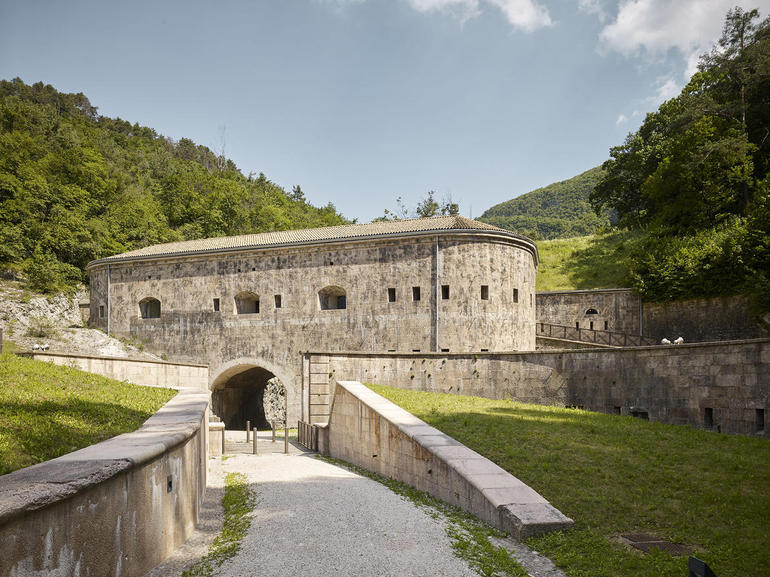
This fort was part of the permanent group of Austrian fortifications which defended end enclosed the main connecting routes of the regional capital. Together with the blockhouse Doss Sponde, it was intended to form a rampart barrage, straddling the descending road from Cadine to Trento.
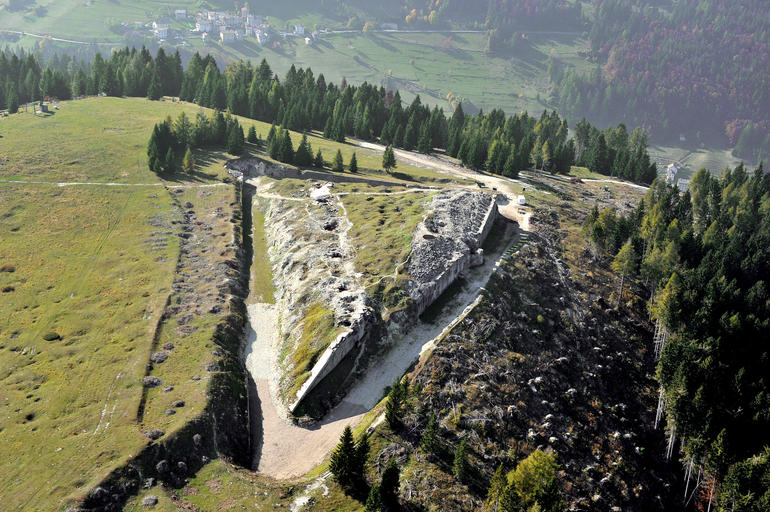
It was built at an altitude of 1445 metres in the Malga Cherle area on the higher plains of Fiorentini and was a barrage of the higher plains of Folgaria.